22 September, 2026
Building Confident and Safe Swimmers at DAIS
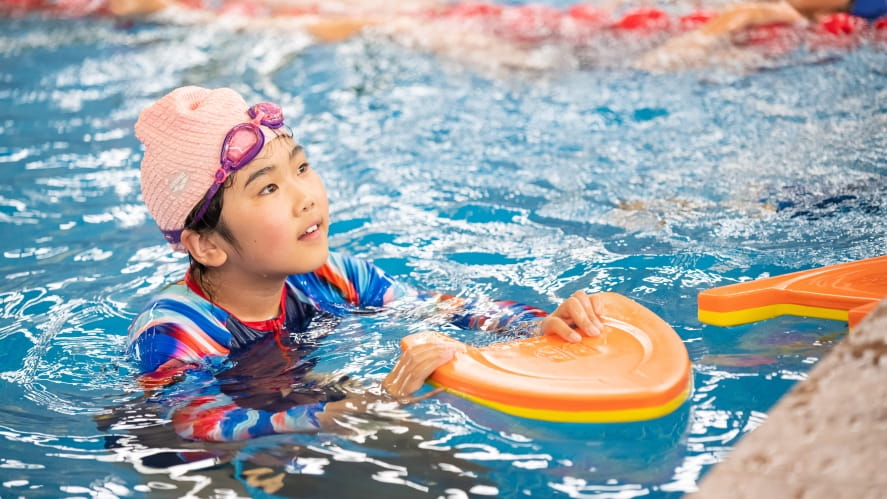

Learning to swim opens the door to a lifetime of safe, healthy and enjoyable experiences in and around water. It is excellent exercise, but it is also much more than a sport: swimming is a life skill that may one day help a child protect themselves or support someone else in an emergency.
Regular physical activity supports children’s physical and mental wellbeing. Swimming develops cardiovascular fitness, muscular endurance, coordination and whole-body control, while the buoyancy of water provides a low-impact environment for movement. Swimming offers unique cognitive advantages beyond exercise more generally, the combination of movement, rhythm, breathing, coordination and sensory experience makes the pool a rich learning environment.
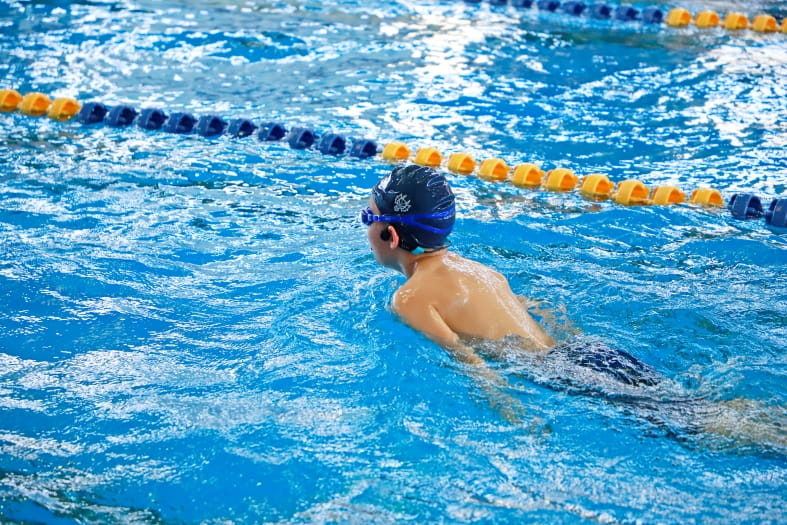
Most importantly, learning basic swimming and water-safety skills is part of drowning prevention. This is why our program aims not simply to produce faster swimmers, but to help every student become more confident, capable and safe in and around water.
Curricular Swimming and Competitive Swimming: Different Purposes, Shared Skills
Competitive swimming usually focuses on speed, efficiency, starts, turns and performance in the four recognized strokes. Curricular swimming has a broader purpose. Students still learn front crawl, backstroke, breaststroke and butterfly, but they also practice water confidence, safe entry and exit, floating, rotation, treading water, self-rescue, risk awareness and how to respond safely when another person is in difficulty.
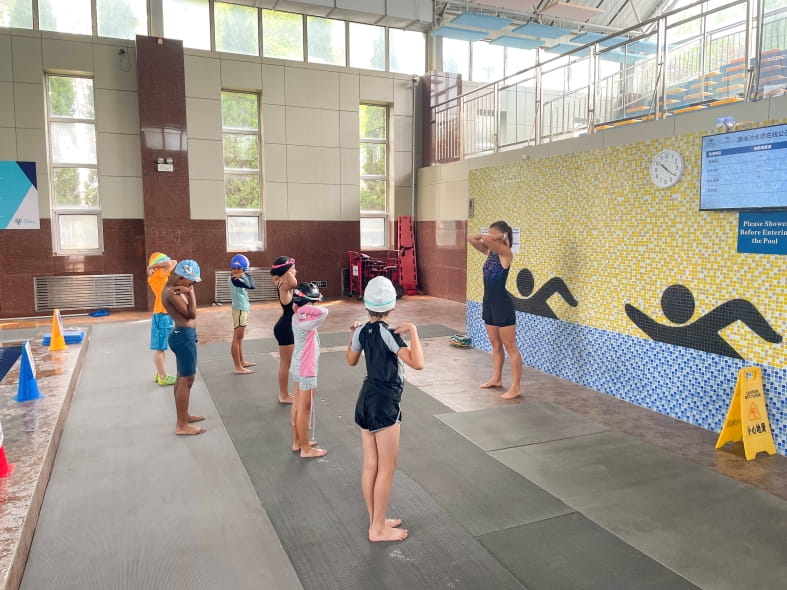
Being able to swim a fast length does not automatically prepare a swimmer for an unexpected fall into deep or cold water. In an emergency, a person may need to control their breathing, float, conserve energy, signal for help, change direction or use a sustainable survival stroke. For this reason, even strong and competitive swimmers benefit from learning skills such as survival breaststroke, sidestroke, sculling, survival floating and safe reach-or-throw rescue techniques. Stroke development and water safety should strengthen one another.
A Clear Seven-Level Pathway
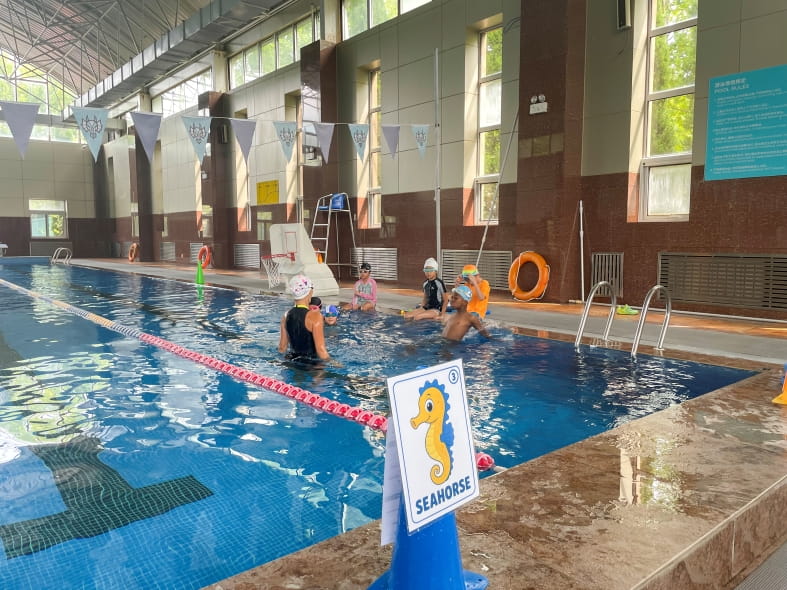
Our Elementary Swimming Program uses a seven-level system: Starfish, Jellyfish, Seahorse, Sea Turtle, Dolphin, Shark and Whale. Students are placed according to demonstrated ability, confidence and water-safety knowledge rather than automatically by age or grade.
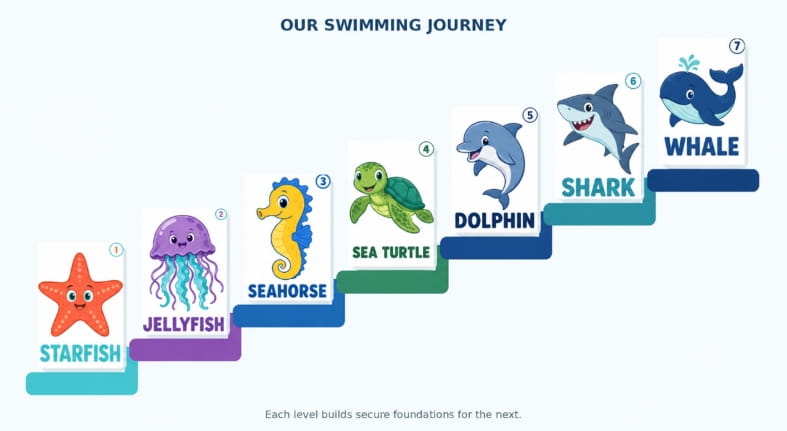
The levels create a clear picture of each child’s current strengths and next steps. A beginner may be developing confidence with face wetting, bubbles, floating and recovery, while an advanced swimmer may be refining all four strokes, building endurance and practicing rescue responses. Each student remains at their current level until all required outcomes have been completed safely and consistently. This prevents gaps in essential foundation skills and allows every learner to progress from an appropriate starting point.
Investing in Safe, Confident Beginnings
The school has made a significant investment of approximately RMB 50,000 in a specialist swimming platform for our younger and less confident swimmers. The platform will reduce the working depth in one lane from 1.2 meters to approximately 0.9 meters.
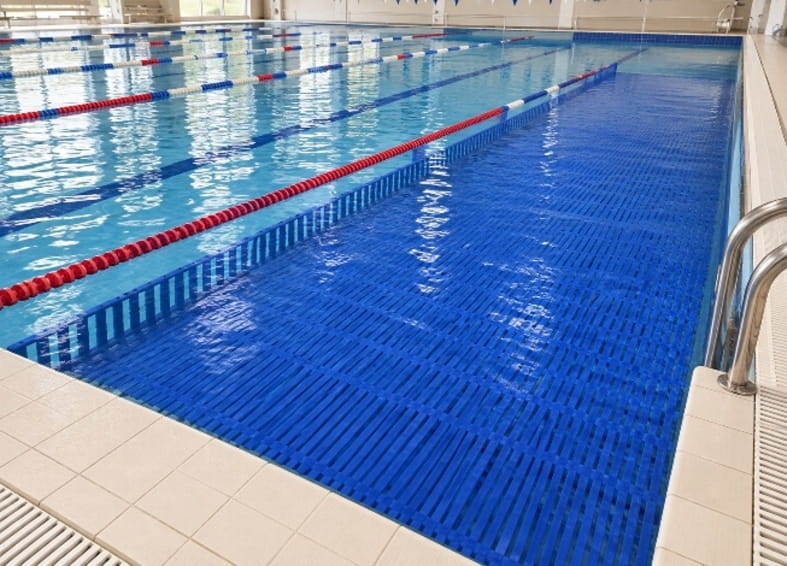
For a child at the beginning of their swimming journey, being able to stand comfortably can reduce anxiety and create a safer, more accessible learning environment. It allows students to listen, practice and recover with greater confidence while they develop independence in the water. This investment reflects our commitment to giving every learner the best possible opportunity to succeed.
Joy First, Learning Follows
Our teaching philosophy is simple: joy first, learning follows. Before children can develop efficient strokes, they need to feel secure and positive in the water. They need time to adjust to having wet faces, learn to submerge without fear, blow bubbles, float, regain an upright position and trust their own buoyancy.
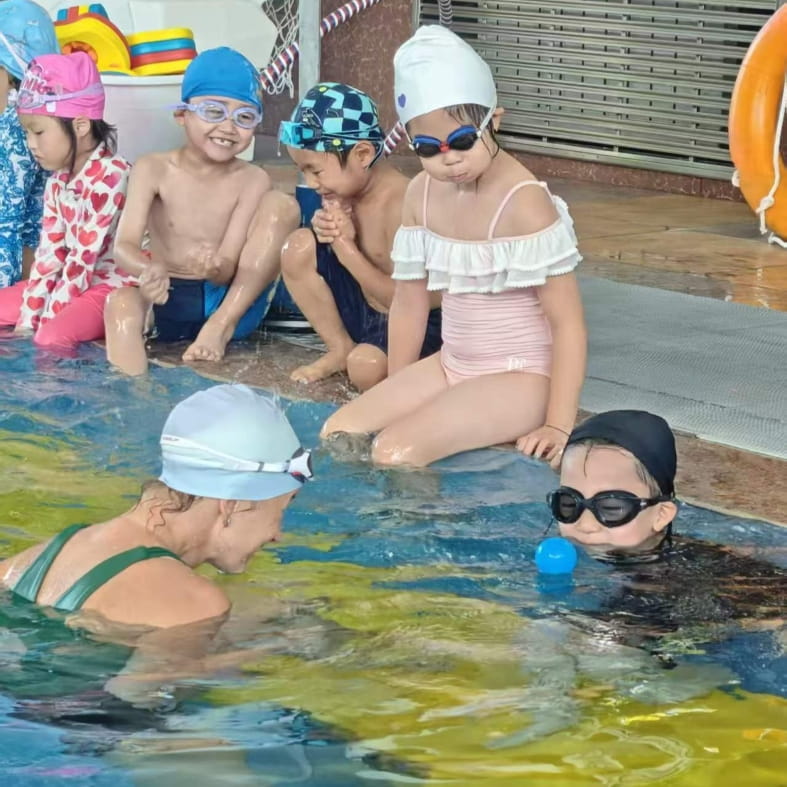
These may appear to be small steps, but they are the foundation of all later swimming. If these steps are rushed or overlooked, internalized fear or poor habits can limit progress. When we build them carefully through playful, purposeful activities, students become more relaxed, independent and ready to learn. A strong foundation makes every skill that follows easier to develop.
Grading
This year, swimming is reported as a separate curricular subject, and regular participation is essential. Students are not graded according to the number or name of their swimming level. Instead, grades reflect the specific skills and learning outcomes taught during the reporting period. All students may work in the same skill area, but the task and success criteria are adapted to their current level.
At the end of Quarter 2, students will complete a level review so that we can confirm progress and adjust placement where appropriate. This review is not a separate graded test. If a student remains at the same level, it does not mean that they receive a lower grade. A child may make meaningful progress within a level while still consolidating one or two essential outcomes. We value safe, secure learning rather than rushing students through the pathway.
How Families Can Help
Families can make an important contribution by helping children become independent before their swimming day. Please practice changing clothes, keeping belongings together, drying independently, packing wet items and putting them on and adjusting a swimming cap and goggles. Choosing simple clothing that children can manage themselves also helps maximize learning time in the pool.
Parents can also support confidence by speaking positively about swimming, encouraging regular participation and celebrating effort as well as achievement. Children begin their swimming journeys in different places and progress at different rates. Through a strong partnership between home and school, we can help every student experience success, enjoyment and growing independence in the water.
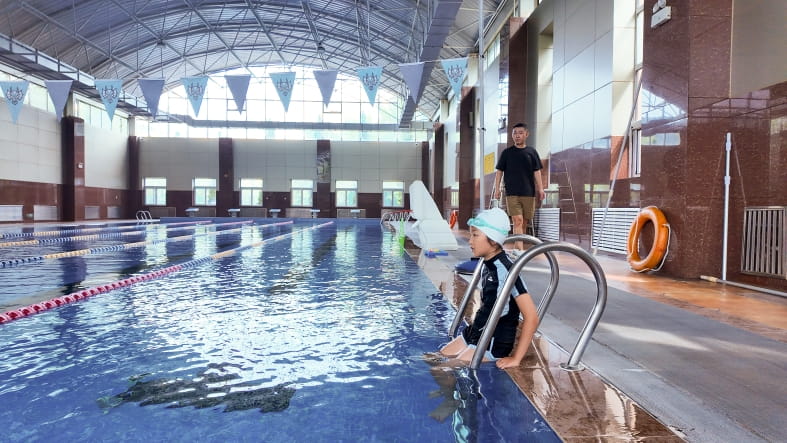
Our goal is not only for children to swim further or with better technique. It is for every student to leave the program with greater confidence, sound judgement and practical skills that can support a safe and active life around water.
Written by Judit Bugarne Acs
DAIS Elementary PE & Swimming Teacher
Related news
News image ![math class]() News | Elementary
News | Elementary
 News | Elementary
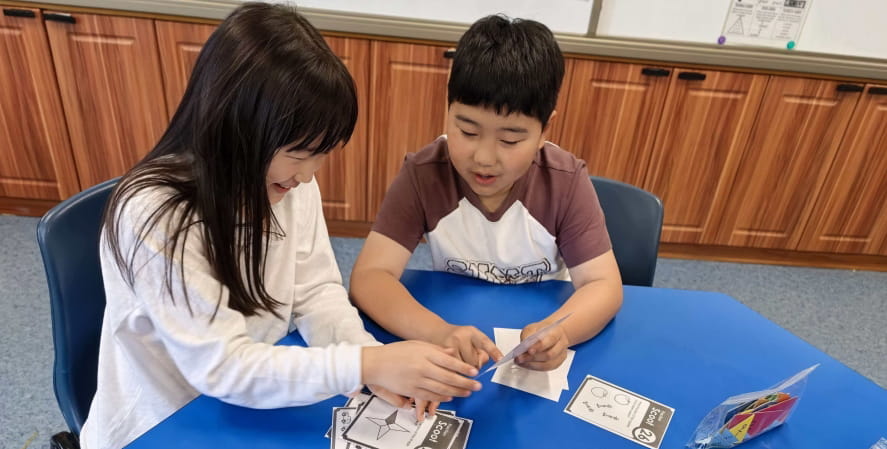
 Introducing Singapore Math in DAIS Elementary
The purpose of this transition is to strengthen clarity, depth, and consistency in mathematics learning, while continuing to meet the same academic standards.
News image ![Early years student]() Blog | Early Years
Blog | Early Years
 Blog | Early Years
 Welcome to Early Years at DAIS: Inspiring Curious, Creative Young Minds
The early years are not simply the beginning of school — they are the foundation for life.